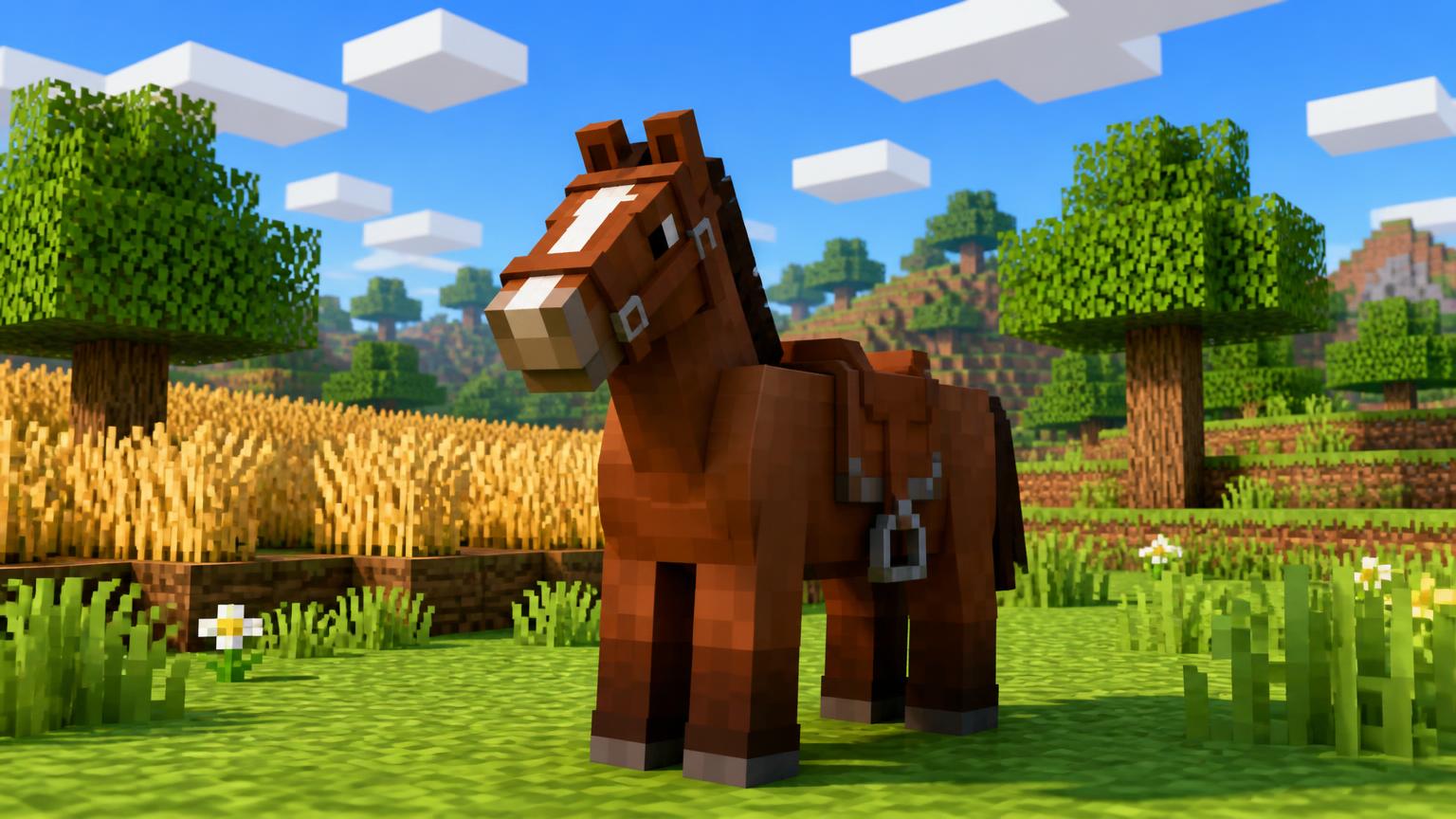
A horse is the fastest reliable way to cross the overworld on the ground, easily beating sprinting and even beating boats over land. The confusing part is that taming and riding are two separate jobs: taming makes the horse accept you, and a saddle makes it steerable. This guide covers both, plus the hidden stats that decide whether a horse is worth keeping.
Where to find horses in Minecraft
- Plains and sunflower plains: the most common spawn, in herds of two to six adults with the occasional foal.
- Savanna and savanna plateau: very common, and often visible from a long way off due to the open terrain.
- Meadow biomes: horses or donkeys spawn here, usually in small groups near the mountain edge.
- Village stables and animal pens: plains and savanna villages frequently generate horses inside fences.
- Bedrock note: horse spawn rates in plains are slightly higher than Java, but the biomes are the same.
If your world start has no horses nearby, check the biome layout before you walk for ten minutes. The biome finder and the seed finder will point you at the nearest plains or savanna, and the structure finder locates villages that often come with stabled horses.
How to tame a horse step by step
- Empty your main hand. Holding any item makes you use that item instead of mounting.
- Walk up to the horse and press use (right-click on PC, left trigger on console, tap on mobile).
- You will mount the horse, then be bucked off after a moment. This is normal.
- Immediately mount again. Each attempt has a chance to succeed based on the horse's hidden temper value.
- Repeat until red hearts appear around the horse. That is the tamed confirmation.
- Open the horse inventory by pressing your inventory key while riding, then place a saddle in the saddle slot.
- Ride away. Use WASD to steer, space to jump, and shift to dismount.
Tame a horse faster with food
Feeding a wild horse before mounting raises temper directly, so you spend far fewer attempts on the ground. Hold the food and press use on the horse.
- Golden apple: raises temper the most and also heals. The fastest taming item in the game.
- Golden carrot: nearly as strong as a golden apple and much cheaper to mass produce.
- Hay bale: a solid middle option, crafted from nine wheat, and easy to farm early.
- Apple, wheat and sugar: small temper gains, useful when that is all you have.
- Foals: feeding a foal speeds up growth but you cannot tame a foal until it is an adult.
Golden carrots need gold nuggets, so a trip to the nether or a piglin barter run pays for itself here. If you are heading that way anyway, follow the nether portal guide first.
How to get a saddle
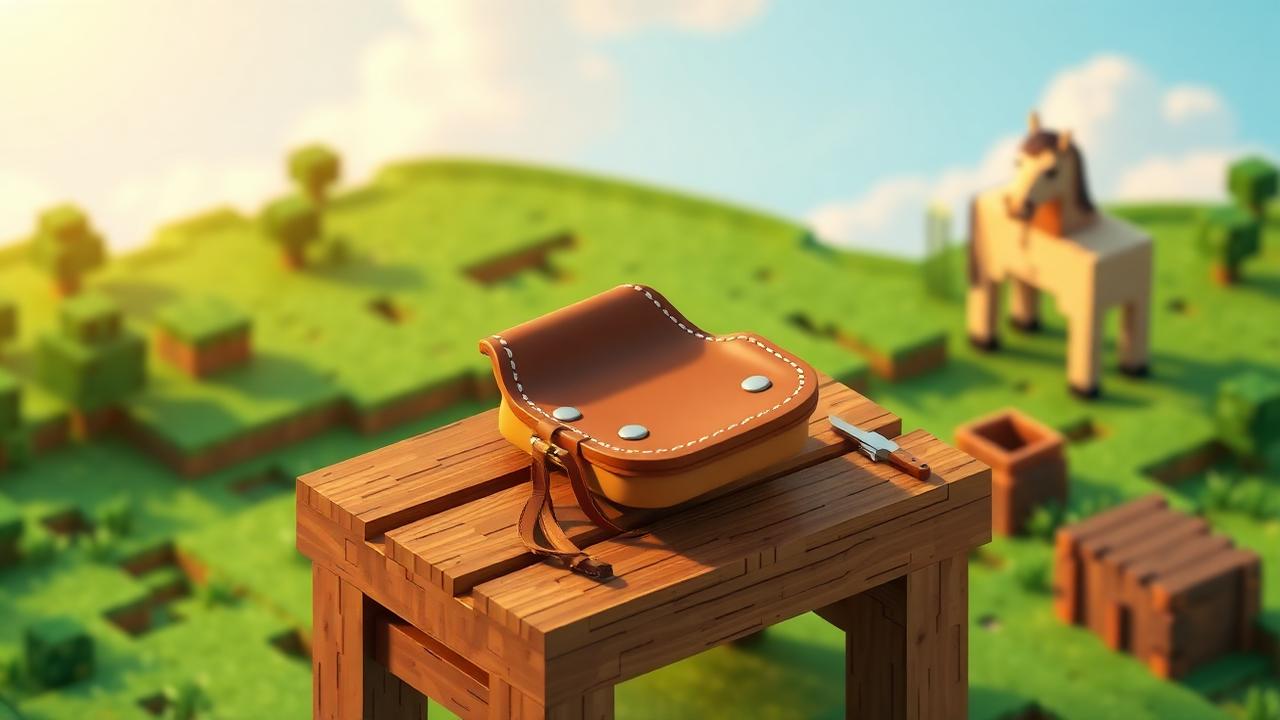
Saddles cannot be crafted in any edition. A tamed horse without a saddle can be ridden, but it wanders wherever it wants and ignores your steering. Sources for saddles:
- Dungeon chests, desert and jungle temple chests, and mineshaft minecart chests.
- Nether fortress chests and bastion remnant chests, which have some of the best rates.
- Village chests, especially in weaponsmith and tanner buildings.
- Fishing with a rod, in the treasure loot pool. Luck of the Sea helps.
- Trading with a master-level leatherworker villager, which is the only repeatable source.
- Ravager drops when a raid ravager is killed.
The villager route is the reliable one. Set up a leatherworker and level it with leather trades. The villager jobs and trades guide and the villager trade optimizer show which trades to spam, and the full saddle guide covers drop rates in detail.
Horse stats: speed, jump and health
Every horse rolls three hidden stats when it spawns, and they vary enormously. Two horses standing next to each other can differ by a factor of two in speed.
- Speed: roughly 4.7 to 14.5 blocks per second. An average horse is about 9. Sprinting on foot is about 5.6, so even a slow horse beats running.
- Jump strength: about 1.1 to 5.3 blocks of vertical jump. A good horse clears a two-block wall from standing.
- Health: 15 to 30 hearts. Higher health matters most if you ride at night or through ravines.
- Stats are inherited when you breed, with a small random bonus, so breeding two good horses produces better foals over generations.
- Donkeys and mules are slower but carry chests, which makes them pack animals rather than mounts.
To compare horses, tame several from the same herd and race them over a flat measured stretch. Keep the fastest, breed it, and release the rest. Coat colour and markings are purely cosmetic and tell you nothing about speed.
Horse armour and equipment
- Horse armour cannot be crafted. It is found in dungeon, temple, nether fortress, stronghold and bastion chests.
- Leather horse armour is the exception and can be crafted from seven leather, and it can be dyed any colour.
- Iron, gold and diamond horse armour go in the second slot of the horse inventory, next to the saddle slot.
- Diamond horse armour gives the most protection and never wears out, since horse armour has no durability.
- Armour does not slow the horse down, so there is no reason to ride unarmoured once you have a set.
- Donkeys and mules cannot wear armour, but they can carry a chest with 15 extra inventory slots.
Breeding horses for better foals
- Tame both parents. Untamed horses cannot be bred.
- Feed each one a golden apple or golden carrot to enter love mode.
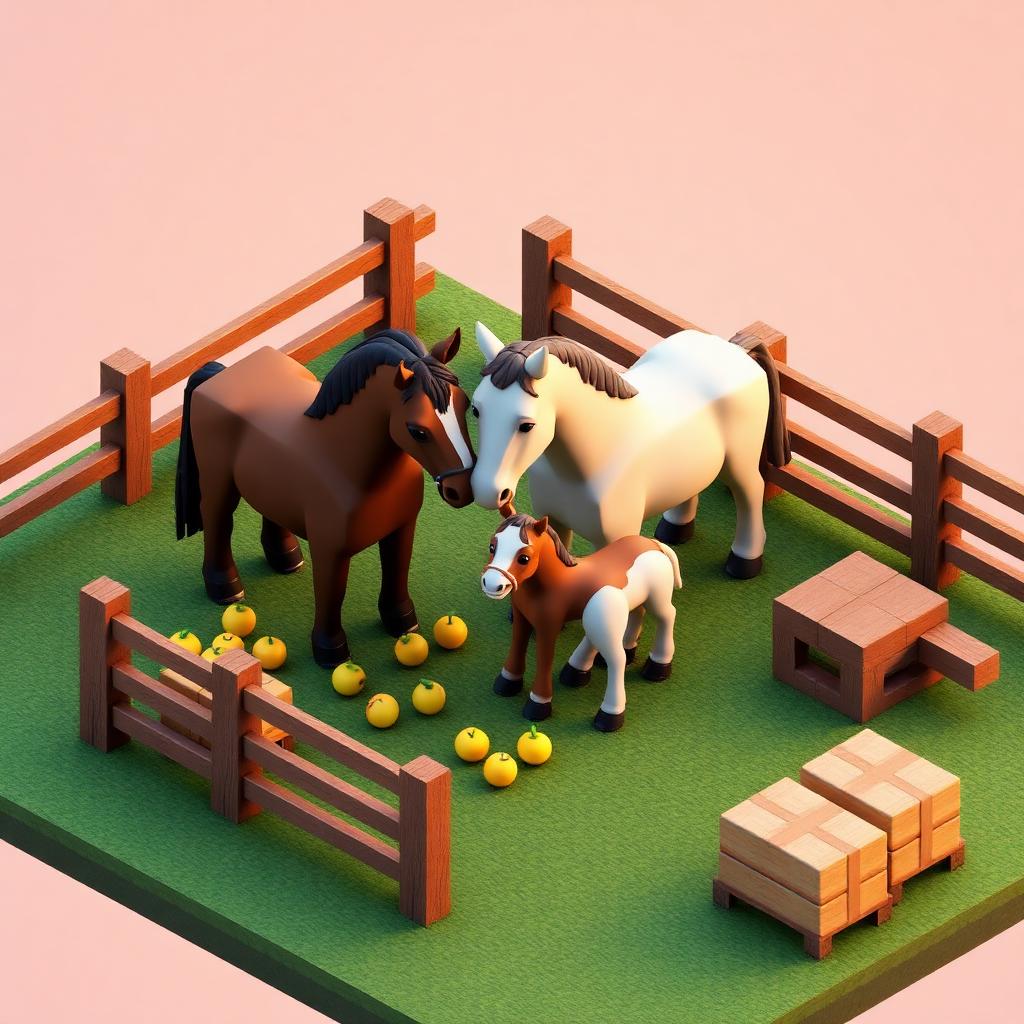
- Keep them close together in a fenced pen so the hearts connect.
- A foal spawns already tamed, but it still needs a saddle when it grows up.
- Feed the foal wheat, hay bales, sugar or golden food to speed up growth.
- Repeat with your two best horses each generation to push speed and jump upward.
The stat maths behind this, including how the third random parent works, is covered in the full horse breeding guide. Use the house planner if you want a proper stable rather than a mud pen.
Riding, transporting and storing horses
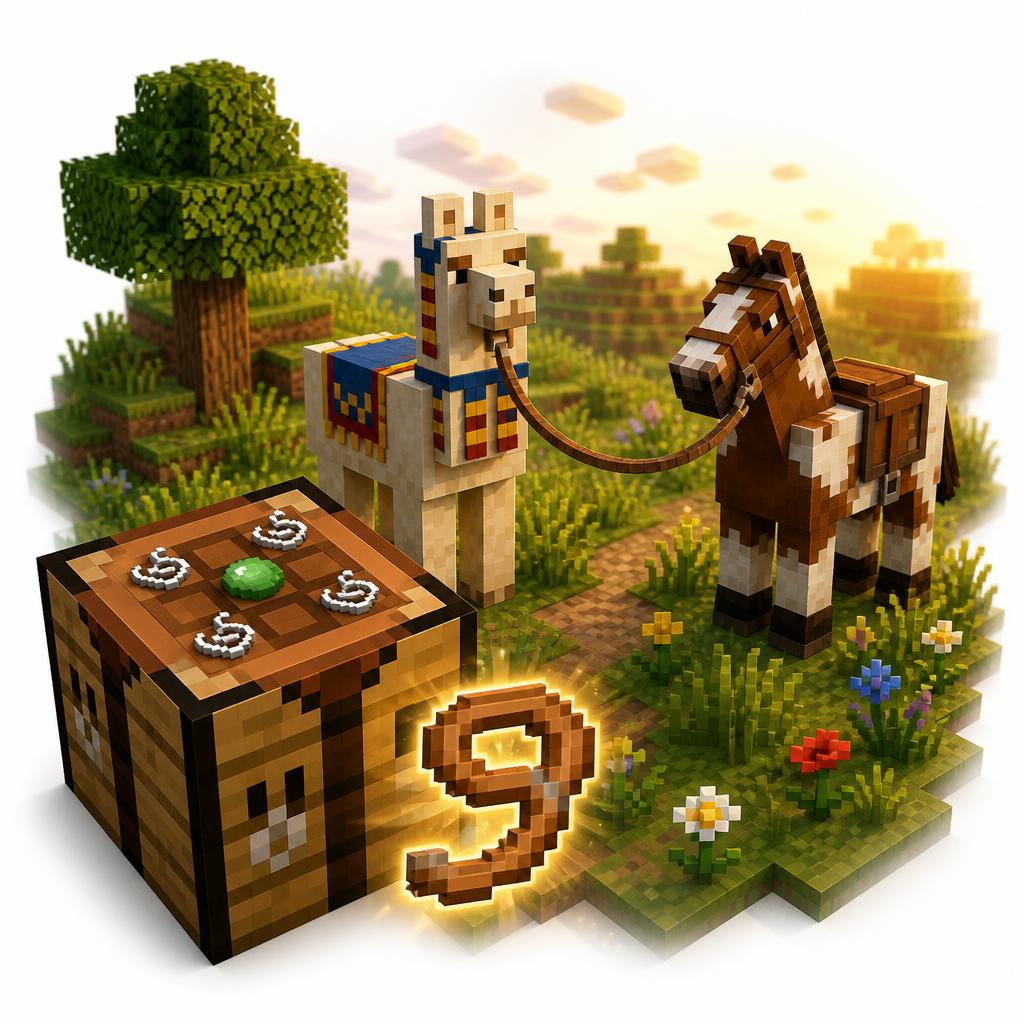
- Attach a lead to a tamed horse to walk it home on foot. Tie the lead to a fence post to park it.
- Horses can be pushed into boats, which is the standard way to move them across oceans.
- You can ride a horse straight through a nether portal, and it travels with you.
- A horse left outside can be attacked by mobs, so fence your stable and light it up.
- Horses take fall damage. Do not jump one off a cliff to save time.
- Name a horse with a name tag so it never despawns and so you can tell your best mount apart.
Common horse taming mistakes
- Trying to tame while holding an item. You must have a completely empty hand to mount.
- Expecting to steer immediately. Taming and saddling are two different steps.
- Trying to craft a saddle. There is no saddle recipe in any edition.
- Giving up after three bucks. Temper is random and some horses take ten mounts.
- Judging a horse by its colour. Coat patterns have zero effect on speed or jump.
- Leaving a tamed horse unfenced and unnamed, which risks it despawning or dying overnight.
- Trying to tame a foal. Only adult horses can be tamed.
Related guides and tools
Once you have a mount, pair it with the saddle guide, the lead guide for moving animals, and the map guide so long rides do not end in getting lost.