Green dye recipe in Minecraft (Java & Bedrock)
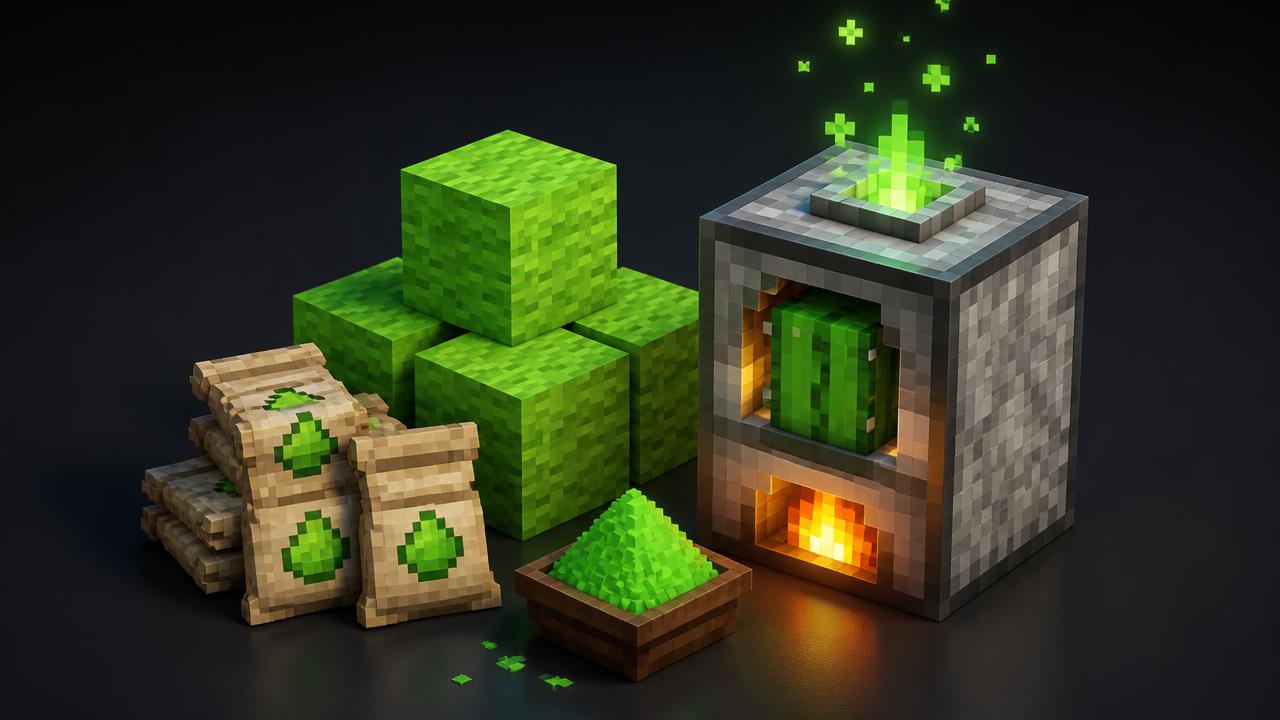
Green dye is the odd one out in Minecraft's dye system. Every other colour comes from a flower, a plant drop, or a mix of two dyes on a crafting table. Green comes only from a furnace.
Exact steps
- Find a cactus in a desert, badlands, or desert-hills biome. Break it with any tool or your fist.
- Open a furnace, blast furnace, or smoker.
- Put the cactus in the top input slot.
- Add fuel below — coal, charcoal, a plank, or a lava bucket.
- Collect 1 green dye per cactus block smelted, plus 1 XP.
The recipe is identical on Java, Bedrock, Pocket, Education, and console editions. Cactus flowers, introduced in later versions, do not produce green dye — only the cactus block itself works.
How to farm cactus for unlimited green dye
Cactus grows on sand without water or light, and it breaks itself when a solid block is placed next to it. That self-destruct behaviour makes it the easiest fully automatic farm in the game.
Simple automatic cactus farm
- Place a row of sand blocks with one block of space between each.
- Plant a cactus on every sand block.
- Place any solid block directly beside where the second cactus segment will grow — the new segment breaks instantly on contact.
- Run a line of hoppers beneath the sand, feeding a chest.
- The broken cactus items drop into the hoppers and collect themselves.
A 20-column farm produces several stacks of cactus per hour while you are in the chunk. Feed the output straight into a hopper-fed furnace array and you have a self-running green dye factory. Our farm efficiency calculator helps you size the furnace bank to match the drop rate.
Everything you can dye green
Green dye works on the same surfaces as every other dye, and it is the base for some of the most useful decorative blocks in the game:
- Green wool — 1 dye plus 1 white wool, or dye a live sheep for renewable coloured wool.
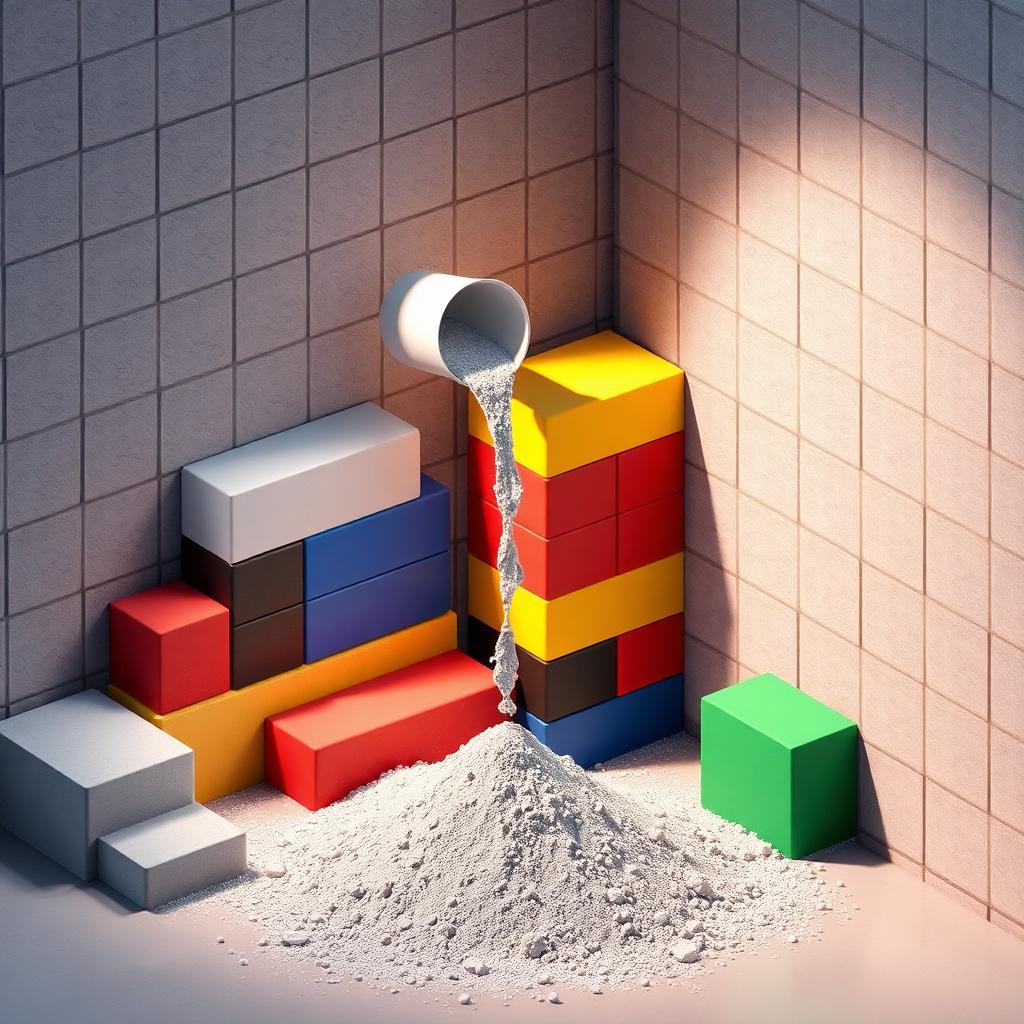
- Green concrete powder — 1 dye plus 4 sand and 4 gravel yields 8 blocks; touch water to harden into green concrete.
- Green terracotta — 1 dye surrounded by 8 terracotta blocks yields 8 dyed terracotta.
- Green stained glass — 1 dye surrounded by 8 glass blocks yields 8 panes worth of coloured glass.
- Green banners and shields — apply patterns with green dye in a loom for flags, crests, and shield designs.
- Green beds, candles, carpets, and shulker boxes — all accept a dye directly in the crafting grid.
- Green leather armour — dye leather caps, tunics, pants, and boots in a cauldron or crafting grid.
If you are planning a colour scheme before you build, the banner generator previews green patterns instantly, and the color codes cheatsheet lists the exact hex values green maps to in chat and signs.
How to make lime dye from green dye
Lime is the bright counterpart to green, and green dye is the main ingredient.
- Green dye plus white dye (bone meal) on a crafting table yields 2 lime dye.
- Smelting a sea pickle in a furnace yields 1 lime dye directly — useful if you live near a warm ocean instead of a desert.
Bone meal is trivially renewable from a skeleton farm or a composter, so a cactus farm plus a composter gives you unlimited lime dye as well as green.
Where to find cactus if you have no desert
No desert nearby is the single most common blocker for green dye. Your options:
- Badlands biomes — cactus generates on the sandy plateaus and canyon floors.
- Desert villages — cactus commonly generates inside and around village boundaries.
- Wandering traders — they sell cactus for emeralds, and a single block is enough to start a farm.
- Desert wells and pyramids — landmarks that reliably sit inside cactus-generating terrain.
One cactus block is all you need forever. Bring it home, plant it on sand, and it propagates upward indefinitely. Use the biome finder to locate the nearest desert from your world seed instead of exploring blind.
Green dye vs the rest of the dye system
Minecraft has 16 dyes. Understanding where green sits helps you plan a full palette:
- Primary sources — red (poppy or beetroot), yellow (dandelion), blue (lapis lazuli), white (bone meal), black (ink sac), brown (cocoa beans), green (smelted cactus).
- Mixed dyes — orange, lime, light blue, magenta, pink, cyan, purple, grey, and light grey are all crafted by combining the primaries.
- Green is the only smelt-only dye — every other primary is a drop or a mined item.
Common green dye mistakes
- Trying to craft green from other dyes — it is not possible. Only smelting works.
- Using a cactus flower instead of a cactus block — flowers do not smelt into dye.
- Standing next to a growing cactus — it deals contact damage and destroys dropped items on touch.
- Placing cactus on grass or dirt — it only grows on sand and red sand.
- Planting cactus adjacent to another block — the new segment breaks immediately, which is great for farms but ruins decorative placement.
Related tools and guides
Green dye feeds directly into decorative builds. Pair it with our concrete guide for solid colour blocks, and use the pixel art generator to plan builds that need exact green shades.